Man with Van Brockley for local home and office moves

If you need a man with van in Brockley, our service is set up for practical removals that need a sensible vehicle, careful handling and straightforward planning. We help with moving belongings between addresses, transporting single bulky items and supporting smaller removals where a full-scale lorry would be unnecessary. The focus is on making the job organised, secure and efficient, while keeping the process clear enough for customers to compare options and request a quotation.
Our work covers a broad range of moving tasks, from household furniture and boxes to light commercial loads and collections that need loading, transport and unloading in one journey. The service is suitable for people moving within Brockley, nearby parts of south east London and other destinations where a van-based move is the right fit. If your priority is dependable transport with careful lifting and sensible coordination, our removals service is a good place to start when checking what can be included.
We aim to keep the booking process simple. A clear list of what needs moving, whether access is tight and whether there are stairs, lifts or parking considerations helps shape the work properly. You do not need a long specification to begin, but the more accurate the outline, the easier it is to match the vehicle, time and labour to the job. When you are ready, ask for a quotation and we can talk through the right option.
Home removals handled with care
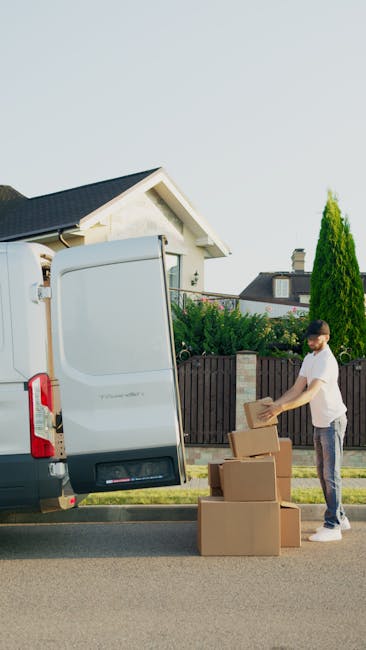
House moves often need more than transport alone. They involve loading items in the right order, protecting furniture from knocks and thinking about how to fit everything safely into the van. Our home moves service is suitable for customers relocating from flats, terraces or family homes who want a move that feels planned rather than improvised. It can cover part loads as well as fuller household moves, depending on the size of the property and what needs to travel.
For domestic removals, the main decisions are usually about volume, access and the type of items being moved. Sofas, tables, beds, appliances and packed cartons may all need different handling. A well-organised van move helps reduce unnecessary trips and keeps the unloading sequence sensible at the destination. When you compare moving options, it is worth considering how much support you want with carrying, placement and timing, not just the transport itself.
House removals can suit customers who want a more structured service around a residential move, while still keeping the process flexible enough for smaller properties and mixed loads. If you are moving from a compact flat, a shared house or a larger family home, the key is matching the service to the actual contents rather than assuming one standard approach will fit every move. To discuss the details, request a quote and outline your moving day needs.
Packing, loading and practical preparation

Good preparation makes a van move much smoother, especially when the contents include items that need to stay stable in transit. Our packing and unpacking services are useful where customers want help getting items boxed, wrapped or organised before the move begins. Packing is not only about convenience; it also helps reduce the chance of breakage, makes loading more efficient and can make unloading quicker at the other end.
There are several practical points worth thinking about before moving day. It helps to separate fragile items from general household goods, group similar belongings together and make sure access routes are clear enough for carrying larger pieces. If you can note which items are especially heavy, awkward or delicate, the work can be planned in a more careful order. That is particularly useful when the job involves furniture that must be dismantled or protected before it is lifted.
For some customers, a move is mainly about transport; for others, it is about having an organised process from the first box to the final placement. If you need support with loading and unloading as part of the move, our moving van service is designed for that kind of flexible, hands-on work. It is a practical choice when the contents are important, but the move does not call for a very large removal vehicle.
Office removals and business transport
Commercial jobs need their own rhythm because desks, storage, IT items and filing may all have different handling priorities. Our office removals service is suitable for smaller workplaces, studio offices and business moves where efficiency, order and minimal disruption matter. The aim is to move equipment and furniture securely while keeping the sequence logical, so that items can be unloaded and set down in a sensible way.
Businesses often need a van-based move for one of three reasons: the amount of equipment is modest, the premises are difficult to access with a larger vehicle, or the move needs to be completed in stages. A careful approach is especially helpful with monitors, printers, compact shelving and other items that do not respond well to rough handling. If you have mixed office contents, it can also help to separate what is being moved from what will be disposed of or retained elsewhere.
For wider business relocations, commercial moves covers the transport side of moving workplace contents from one site to another. That may include furniture, boxed materials and general equipment, depending on what has been agreed. If your company needs a move that is practical rather than oversized, ask for a quotation and describe the kind of items involved, the location access and the preferred timing.
Single items, furniture and collection work

Not every booking is a full move. Sometimes the job is a single bulky item that will not fit in a car, or a piece of furniture bought privately and needed at home the same day. Our furniture pick-up service is aimed at that kind of collection, where the priority is safe transport and sensible handling rather than a large removal operation. It is a practical solution for beds, wardrobes, tables, sofas and similar items.
This type of work benefits from a steady process: checking dimensions, planning lifting points and making sure the item is loaded securely so it does not shift in transit. It can also help to think about access at both ends, especially if the furniture has to pass through narrow hallways, stairs or communal entrances. Because every collection is different, it is sensible to describe the item clearly rather than assuming a standard approach will fit.
Where the job is more like a light move than a purchase collection, man and van can be the more flexible option. It suits customers who want transport plus loading support for a modest amount of furniture, boxes or mixed household goods. If you are weighing up whether the job needs a single item pickup or a broader removal arrangement, request a quote and explain what needs moving.
Choosing the right van-based removal service
There are several ways to approach a move, and the best choice depends on what needs carrying, how far it is going and how much help you want with the lifting. Some customers need a straightforward van and driver arrangement, while others need a more complete service that includes loading and unloading support. Our man and van removals page reflects that middle ground, combining practical transport with hands-on moving help for smaller domestic or commercial jobs.
It is worth thinking about the size of the load in realistic terms. A compact flat move may involve fewer items but still require careful stacking and protective handling. A room-by-room shift may include a mixture of furniture, personal effects and boxed contents that all need to travel together. The advantage of van-based removals is that they can be adapted to the actual job instead of forcing it into a one-size-fits-all model. That makes them useful for customers who value flexibility and direct communication.
If you need a broader overview of service options, removal services gives a useful way to consider the work as a whole, from transport-only jobs to more involved moving support. It is sensible to ask for a quotation once you know what is being moved, where it is going and what level of help is required. That keeps the conversation focused on the practical details rather than guesswork.
About Brockley
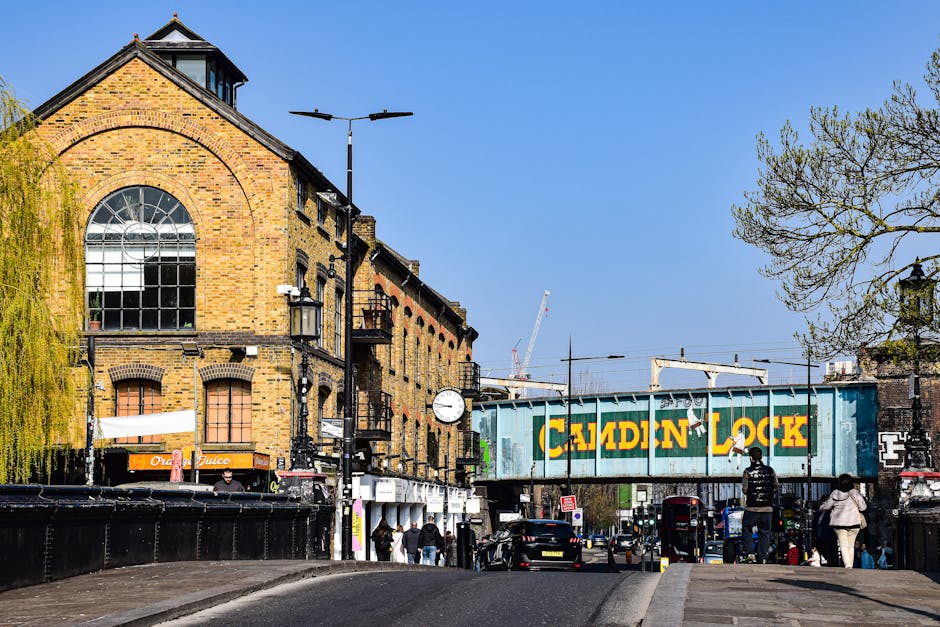
Brockley is an area in the London Borough of Lewisham, in south-east London, with a character shaped by railway growth, Victorian and Edwardian housing, and a network of residential streets that sit between better-known districts such as New Cross, Nunhead, Lewisham and Forest Hill. Brockley station, on the London Overground network, sits on the line that helped turn the area into a commuter suburb in the nineteenth century, and the neighbourhood still reflects that period in much of its built form. Many streets contain terraces, villas and mansion blocks of varying scale, with a streetscape that mixes domestic calm and urban density. Brockley has long been associated with a strong local identity rather than a single central high street, and its geography is defined as much by hills, railway lines and pockets of green space as by commerce. Hilly Fields is one of the most recognisable open spaces nearby, offering panoramic views across London and a landscape that includes grassed slopes, mature trees and paths used by walkers and runners. Telegraph Hill, just to the north-west, adds another layer of open green space and is known for its conservation setting and neighbourhood feel. The area also has a notable cultural reputation, with independent cafés, community projects, studio spaces and local events helping to give Brockley a lively but residential atmosphere. Its architecture, transport links and mixed-use edges mean it remains a place where historic housing sits close to busy routes and local amenities, while many side streets retain a quieter character than the main roads around them.
What affects the cost and timing of a move

Pricing for a van-based move usually depends on a combination of distance, load size, access and the amount of labour involved. A job that is easy to park near and quick to load will generally be more straightforward than one involving multiple flights of stairs, awkward furniture or a long carry from the van to the door. If items need to be dismantled, wrapped or handled in stages, that can also affect the time required. The more accurately the work is described, the easier it is to prepare a sensible quotation.
Some customers prefer to keep the move tightly focused on transport, while others want extra support with stacking, handling or arrangement at the destination. If there are fragile items, heavy appliances or objects with unusual shapes, it is best to mention them early so they can be taken into account properly. A good quotation should reflect the actual task rather than a generic moving assumption, which is why a clear summary of the load is often more useful than a long explanation.
If you are comparing moving options, it can help to look at the job in stages: what is going, what needs special care and where the delivery is ending up. Pricing and quotes provides a useful route when you are ready to discuss the work in more detail. Please ask for a quotation once you have your basics to hand, and we can help shape the right arrangement.
Handling different kinds of loads safely
A practical removal service needs to treat different items differently. Boxes can be stacked efficiently, but furniture may need blankets, straps or a more careful loading order to stay secure. White goods and heavier household pieces often need particular attention because they are awkward to lift and can shift if they are not supported properly. Our approach is to keep the move organised so the contents travel in a way that suits their shape, weight and fragility.
There are also times when a move includes mixed content from more than one room or even more than one property. In that case, labelling and grouping can make a real difference to how quickly the van is loaded and how smoothly items come off at the destination. A neat, controlled load is not just about presentation; it helps reduce handling risks and makes it easier to identify what belongs where. That is especially useful if items need to be unloaded into different parts of the building.
- Separate fragile items from heavier boxes before the move begins.
- Keep a short note of any large furniture that may need help to carry.
- Make sure access routes are usable for loading and unloading.
- Tell us if there are items that must be placed last or unloaded first.
Insurance, safety and responsible moving
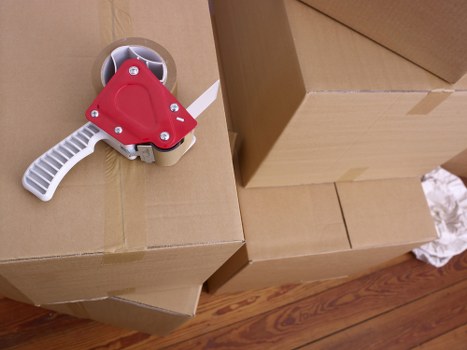
Moving work should always be carried out with attention to safety, not speed alone. Lifting technique, load balance and secure placement in the van all matter when belongings are being transported from one address to another. Our insurance and safety page is useful if you want to understand the kind of care that should sit behind any removal job, especially when furniture, household goods or business items are involved. It is sensible to choose a moving service that treats protection and handling as part of the process, not an afterthought.
Responsible moving also includes thinking ahead about the route, the order of loading and the practicalities of arrival. If the job involves narrow entrances, shared hallways or limited parking, planning becomes even more important. That kind of organisation helps the service run smoothly and reduces avoidable delays. It also means the crew can focus on the contents themselves rather than improvising once they arrive. For customers, that tends to make the move feel more controlled and less stressful.
When you are ready to arrange your move, contact us to request a quotation and give a brief outline of what needs moving. A clear summary is usually enough to start the conversation, and it helps us suggest the most suitable van-based option for your needs. If you would like to compare the main service routes first, you can also revisit the pages on home moves, office removals and pricing before making a decision.