Lewisham Council permits for vans: Brockley parking rules
Posted on 04/07/2026
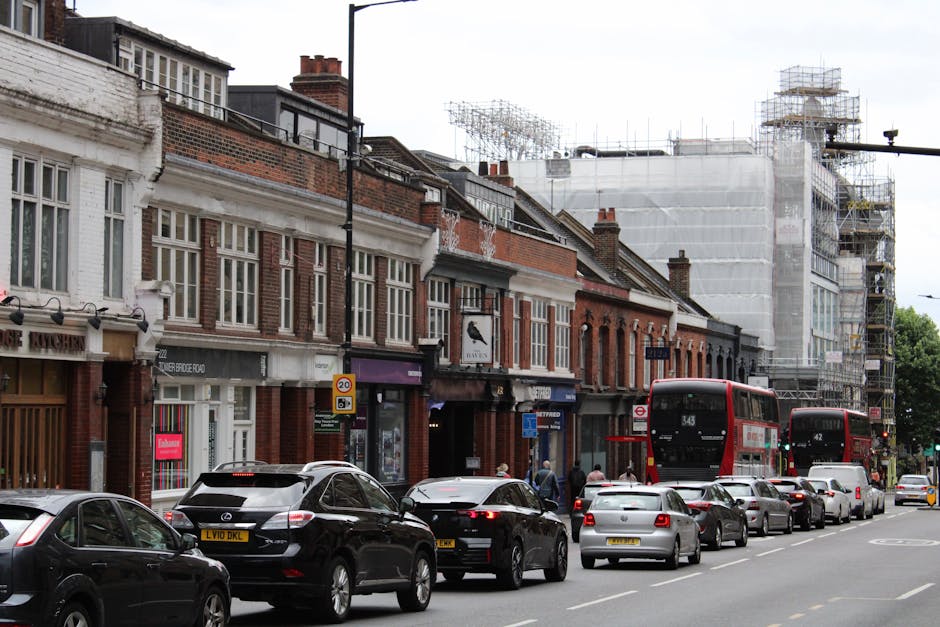
If you are planning a move, a delivery, or even a bulky furniture drop-off in Brockley, the last thing you want is a van circling the block while you try to figure out Lewisham Council permits for vans: Brockley parking rules. On a busy London street, a small parking mistake can snowball fast: blocked access, unhappy neighbours, a ticket, or that awkward moment where the sofa is still on the pavement and the clock is ticking. Not ideal.
This guide breaks the topic down in plain English. You will learn what van permits are for, how parking rules usually affect moving day, what to check before you arrive, and how to avoid the common traps that catch people out in SE4. We will also cover the practical side: timing, street access, loading plans, and the small details that make a move feel calm instead of chaotic.
Why Lewisham Council permits for vans: Brockley parking rules Matters
Parking rules matter in Brockley because the area is a proper mix of narrow residential streets, controlled parking zones, terraced homes, flats, and roads where a larger vehicle can feel a bit like a guest that has overstayed its welcome. A removal van is not just another car. It needs space to stop safely, enough room for loading, and enough time for the job to be done without causing a nuisance.
In practical terms, the permit question usually comes down to this: can your van legally stop where it needs to stop, for as long as it needs to stop, without breaching local parking restrictions? If the answer is unclear, everything else gets harder. That includes carrying furniture, protecting the property, and keeping the move on schedule.
People often only think about parking once they are already halfway through packing. By that stage, the move has momentum, the box tape is everywhere, and someone is trying to wedge a mattress past the hallway mirror. Better to sort the van parking side early. It is one of those boring jobs that saves a lot of stress later. Boring, yes. Useful, absolutely.
There is also the neighbour factor. Brockley streets can be busy with school runs, deliveries, and residents trying to squeeze their own lives into the same strip of road. If your van blocks a dropped kerb, sits on yellow lines, or occupies space that was meant for permit holders, you can create friction before the first box is lifted. Good parking planning keeps the whole moving day smoother and more respectful.
For moves involving awkward items, the access plan becomes even more important. A piano, for example, needs proper route planning as well as parking control, which is why many people combine local access planning with services like specialist piano removals in Brockley and careful carrying technique. Same story with bulky sofas or wardrobes; parking is part of the moving strategy, not an afterthought.
How Lewisham Council permits for vans: Brockley parking rules Works
The exact process can vary depending on the street, the type of vehicle, and the duration of stopping needed, but the working principle is fairly simple. If a van needs to park or wait in a restricted area, the driver may need the right parking permission, pay-and-display arrangement, loading allowance, or another form of consent that fits the local rules.
In Brockley, the key issue is not just whether a van can stop. It is whether it can stop legally and practically for loading and unloading. That means checking the restrictions that apply to the particular road or bay, then matching the vehicle and timing to those restrictions. A lot of people assume a quick stop is automatically fine. Sometimes it is. Sometimes it is not. The difference is usually in the detail.
Think of it like this:
- some streets allow short loading only at certain times
- some permit bays are reserved for residents or business permit holders
- some areas have yellow line restrictions that still apply even during busy moving windows
- some properties need a full loading plan because the van cannot sit directly outside
So the job is not just "find a space". It is "find a space that works, on the day, for the whole unload." That may sound obvious, but in real life it is where many moves get messy. If you are moving from a flat with limited access, it can help to read a broader local planning guide such as the SE4 moving guide on streets, parking and access before you settle on a time slot.
When the parking is tight, drivers often make a plan around loading distance, parking duration, and stair access. A van that is parked legally but too far away can still add 20 minutes per trip. On a wet Tuesday morning in Brockley, that can feel like an hour. Truth be told, parking logistics and moving logistics are joined at the hip.
Key Benefits and Practical Advantages
Getting the van parking side right gives you more than legal peace of mind. It improves the whole move in ways you can actually feel.
- Less time wasted: A van parked in the right place means less walking distance, fewer trips, and a faster loading rhythm.
- Lower damage risk: Shorter carry distances reduce the chance of scratching walls, denting furniture, or dropping boxes on tight corners.
- Better safety: Clear access means fewer awkward lifts into traffic or around parked cars.
- Fewer disputes: If your van is parked correctly, neighbours and enforcement issues are less likely to derail the day.
- More predictable timing: When parking is sorted, the whole schedule is easier to manage, which helps if you have keys to collect or a removals window to hit.
Another big advantage is mental. Moving is noisy enough already. The click of tape, the thud of a box being set down, the front door propped open, someone asking where the kettle is. Having the parking covered takes one big worry off the board. That matters more than people admit.
If you are trying to balance multiple moving tasks, local support pages such as the services overview and man with a van Brockley can help you think through the right level of help for the job. Sometimes the right answer is not a bigger van, but a better plan.
And there is a practical financial angle too. Avoiding fines, unnecessary waiting time, and repeat trips can make a noticeable difference to the final cost of the move. No one loves paying extra because a van had to park two streets away. Not exactly a thrill.
Who This Is For and When It Makes Sense
This topic matters to a lot of people, not just full-house movers. In Brockley, the parking and permit question comes up in all sorts of real-world situations.
- House movers: Anyone moving larger items, lots of boxes, or several rooms of furniture.
- Flat movers: Especially in converted buildings or upper-floor flats with tight street access.
- Students: Small loads still need stopping space, and student moves often happen under time pressure.
- Office or studio users: If equipment needs to be loaded quickly, parking precision becomes essential.
- Same-day moves: When the day is already compressed, parking delays can be a disaster.
It also makes sense if your street has frequent restrictions or if the property sits near a busy junction, market delivery route, or road with limited stopping space. The reality is that Brockley is not one uniform parking environment. One street can be straightforward, another can be a headache. You notice the difference the moment a van arrives.
For smaller moves, people sometimes assume they can just "wing it". Maybe. But if you have a bed frame, fridge, or heavy chest of drawers, a parking plan is still worthwhile. The same goes for anyone using a man and van Brockley service or moving on a tight timetable. The smaller the margin for error, the more the parking rules matter.
If you are not sure whether your move counts as simple or fiddly, ask one question: would a five-minute parking mistake turn into a 30-minute problem? If yes, it is worth planning properly. That is usually the tell.
Step-by-Step Guidance
Here is a practical way to handle Lewisham Council permits for vans and Brockley parking rules without overcomplicating it.
- Check the exact moving address. Parking conditions can vary from one side of a road to the other, and corner properties may have more than one restriction to think about.
- Identify the vehicle type. A small van, long-wheelbase van, and larger removal vehicle may each raise different access and stopping issues.
- Review the local parking situation early. Look for permit bays, yellow lines, controlled hours, dropped kerbs, and any loading limitations.
- Build the move around access, not the other way around. If direct outside parking is not realistic, plan for the nearest lawful stopping point.
- Work out how long loading will really take. Be honest. A one-bedroom flat with stairs and a heavy sofa is not a five-minute job.
- Decide whether a van permit or alternative arrangement is needed. If the plan relies on stopping in a restricted place, get the parking side sorted first.
- Brief everyone involved. The driver, the person handing over keys, and the helpers should all know where the van is going and how long it can stay.
- Leave a margin for the unexpected. Traffic, weather, blocked access, and awkward items all slow things down. It happens.
A small but useful habit is to walk the route from the van to the front door before moving day. Count steps, spot narrow gates, and look for low branches, parked cars, or uneven pavement. You will spot little problems that are invisible from the sofa, quite literally.
If you are trying to move bulky pieces in one go, it can also help to read about avoiding move-day damage in Victorian Brockley homes. The access route and the parking position should work together, especially in older properties where hallways and stairs are unforgiving.
And if the move feels like a lot to hold in your head at once, break it into one decision at a time. Parking first. Then loading. Then carrying. Then the final room placement. Simple, if not exactly glamorous.
Expert Tips for Better Results
After seeing plenty of local move-day setups, a few patterns stand out. These are the practical tips that tend to make the biggest difference.
- Choose the quietest legal stopping point, not just the nearest one. A slightly longer walk can be better if it avoids blocked manoeuvring space.
- Keep loading equipment ready before the van arrives. Sack trucks, blankets, straps, and box labels save time once the vehicle is parked.
- Plan for weather. In a drizzle, the route from van to door gets slippery fast. Wet pavements change everything, annoyingly.
- Use loading zones wisely. If a lawful loading window exists, make sure your team can actually finish within it.
- Protect vulnerable items first. Mirrors, TVs, and glass tops should not be waiting around while everyone argues about parking.
One very practical tip: if the move involves heavy lifting, consider reading about the science of kinetic lifting and safe ways to lift heavy weight on your own. Good lifting technique and smart parking go together. A short carry is easier on everyone, but only if the load is managed properly.
If you are moving a sofa, the parking plan matters even more. Sofas are bulky, awkward, and strangely eager to catch on door frames. The practical guidance in sofa preservation and storage tips can also help you protect fabric and corners during loading.
And here is a human one: do not aim for perfection. Aim for control. If the plan is safe, legal, and realistically timed, that is a win. People sometimes try to engineer a flawless move. There is no such thing. There is just a well-managed one.

Common Mistakes to Avoid
Most parking problems around moving day are preventable. The annoying part is that the mistakes are usually small, which is why they sneak up on people.
- Assuming a van can stop anywhere for "just ten minutes". Restrictions still apply, even if the job feels quick.
- Forgetting that vehicle size changes the plan. A bigger van may need more space to park safely and unload.
- Leaving parking decisions until the morning of the move. That is when the stress multiplies.
- Underestimating loading time. Boxes are not heavy individually, but they are relentless as a group.
- Blocking neighbours or access routes. A difficult start can colour the whole day.
- Not planning for return trips. If the van must move and come back, the second stop may be harder than the first.
Another common miss is failing to think about the rest of the neighbourhood. Market days, refuse collection, school runs, and delivery traffic all affect Brockley streets. A move that works perfectly at 8:00 a.m. may be much harder by late morning. Timing matters more than people expect.
For example, if you are also clearing out unwanted items, look into bulky waste pickup options in Brockley before the van arrives. Mixing disposal and removal without a plan can create confusion. A lot of confusion, actually.
And if the move is last-minute, there is one more trap: hoping that "something will turn up". Parking and access rarely improve on their own. They need a decision, not optimism alone.
Tools, Resources and Recommendations
You do not need a huge toolkit to handle Brockley moving-day parking well. You just need the right basics and a sensible sequence.
- Printed move plan: A simple sheet with the van arrival time, key collection time, parking notes, and contact numbers.
- Household labels and coloured tape: These make quick loading much easier when space is tight.
- Furniture covers and blankets: Useful when the van is parked a short distance away and items need carrying through a narrow route.
- Sack truck or trolley: Very helpful if you are making multiple trips from a legal stopping point a little further down the street.
- Gloves and sturdy footwear: Not glamorous, but your hands and toes will thank you later.
Useful preparation often starts before moving day. If you have a lot of clutter, it may be worth going through a clutter-reduction guide before packing so the van is carrying only what truly needs to go. Less volume means less time on the street, and less time on the street means fewer parking headaches. Clean, simple logic.
For the packing side, packing and boxes in Brockley and packing hacks for a house move can help you group items efficiently. Efficient packing is not just about neatness; it affects loading speed, weight distribution, and how long the van needs to stay parked.
And if your move is part of a wider transition, such as storage or staged relocation, local options like storage in Brockley can reduce the pressure to do everything in one day. Sometimes that is the calmer route. Honestly, sometimes it is the only sane route.
Law, Compliance, Standards, or Best Practice
Parking and loading around a move sit within the normal framework of UK road rules, local parking restrictions, and council enforcement practices. The key point is simple: if a road, bay, or loading area has rules attached to it, those rules still matter during a house move. A moving day is not a free pass.
Best practice usually means checking the local restriction type, confirming the van can stop safely and legally, and making sure no one is obstructed. If a permit, exemption, loading allowance, or other permission is needed, it should be treated as essential preparation rather than a last-minute add-on.
From a safety and standards perspective, moving teams should also think about secure loading, manual handling, and protecting the property. That includes clear walkways, sensible lift planning, and proper vehicle loading so items do not shift in transit. If you want a deeper look at operating safely, the pages on health and safety policy and insurance and safety are useful touchpoints.
There is also a straightforward ethical angle. Respect the street. Keep access open where possible. Avoid unnecessary idling. Do not assume that because a job is temporary, it can ignore everyone else who uses the road. That is just good moving etiquette, and Brockley residents notice it.
If you are hiring help, it is sensible to work with a team that understands local access constraints. For many jobs, the practical difference between a smooth move and a messy one is not brute strength. It is familiarity with local streets, timing, and how to load quickly without cutting corners.
Options, Methods, or Comparison Table
There are a few ways to approach van parking on moving day. The best choice depends on the street, vehicle size, and how much you need to move. Here is a simple comparison.
| Approach | Best for | Pros | Watch out for |
|---|---|---|---|
| Direct outside parking | Short moves, easy access streets | Fastest loading, shortest carry distance | Often limited by local restrictions or space |
| Nearby legal stopping point | Restricted streets with some flexibility | Usually realistic and less risky | Longer carry route, slower loading |
| Timed loading window | Controlled roads or permit areas | Useful if the move is well scheduled | Delays can waste the window quickly |
| Staged move with storage | Large moves or awkward access | Reduces pressure on parking and timing | Requires extra planning and possibly more cost |
In practice, staged moves are often underrated. If parking is complicated and the property has poor access, using storage first can be calmer than trying to force everything into one tight morning. That is especially true for people moving from flats with no easy front-door loading space.
For people comparing moving support, a local man and van service may suit smaller jobs, while house removals in Brockley can be better for larger, more structured moves. The right option depends on volume, access, and how much street parking complexity you want to absorb yourself.
Case Study or Real-World Example
Here is a realistic local example. A couple moving out of a first-floor flat near a busy Brockley side street had a small window before work started on nearby properties. They assumed the van could pause outside the building, but once they checked the street layout, they realised the safest place was actually a short distance away. Not a disaster, just a change of plan.
They split the move into two stages. First, they packed the heaviest items near the exit and labelled everything clearly. Second, they arranged the van to stop where it could unload without blocking access. That meant a slightly longer walk for a few boxes, but no parking conflict and no awkward mid-street reshuffling. The whole job felt slower at the start and smoother by the end. That is usually how good planning works, to be fair.
They also used a simple room-by-room loading sequence so nothing got mixed up. The sofa, the bed frame, and the boxes for the kitchen went on first because they were easiest to identify and hardest to carry after the smaller items were stacked. They avoided the classic error of filling the van with light items first and trapping the bulky pieces behind them. Happens all the time.
What made the biggest difference? They treated parking as part of the move plan rather than a separate issue. That one shift kept the day under control.
If your move has furniture that needs extra care, a local page like furniture removals Brockley can help frame the job properly. And if time is tight, what to expect from urgent same-day removals in Brockley is useful reading too.
Practical Checklist
Use this checklist as a final moving-day sanity check. It is simple on purpose.
- Confirm the exact moving address and street layout.
- Check whether the van will need a permit, loading allowance, or alternative stopping point.
- Note any permit bays, yellow lines, dropped kerbs, or access restrictions.
- Estimate realistic loading time for all items.
- Brief the driver on the parking plan before arrival.
- Keep fragile and high-value items separate and ready first.
- Make sure boxes are labelled by room for faster unloading.
- Leave a little margin for traffic, weather, or hold-ups.
- Keep pathways clear for neighbours and helpers.
- Have a backup plan if the nearest space is unavailable.
Expert summary: the best Brockley parking plan is the one that is legal, realistic, and easy to execute under pressure. If you have to guess, you are already on shaky ground. If you have a clear stop point, a sensible loading window, and a tidy route to the front door, you are in much better shape.
If you are still in the packing stage, it is worth pairing this planning with a few practical moving guides like the step-by-step guide to moving a bed and mattress and stressless house moving strategies. Those little preparations add up. They really do.
Conclusion
Lewisham Council permits for vans: Brockley parking rules are not just a technical detail. They shape how safely, quickly, and respectfully your move happens. If you sort the parking side early, the rest of the day tends to behave itself a bit better. The route is clearer, the loading is calmer, and the van is not sitting there like an impatient problem waiting to happen.
For Brockley residents, the smartest approach is simple: check the street, plan the stop, keep the move efficient, and build the job around realistic access. That is how you avoid the usual headache of running back and forth while a van sits in the wrong place with the engine running. Nobody wants that scene.
Get a free quote today and see how much you can save.
And if you are moving soon, take a breath. A well-planned van stop can make the whole street feel easier. One good decision at a time, that is usually how it works.